Cork Fabric vs Leather: A Sustainable Alternative to Leather
Leather has been used for centuries to make bags, wallets, shoes, accessories and many other products. Today, designers and manufacturers have more material choices than ever, including cork fabric.
But how does cork fabric compare with leather?
Cork fabric combines a thin layer of cork with a flexible textile backing, creating a lightweight and versatile material that can be used for many of the same applications as traditional leather.
What Is Cork Fabric?
Cork fabric is made using thin layers of cork obtained from the bark of the cork oak tree (Quercus suber).
The cork is processed and laminated onto a textile backing, giving the material flexibility and strength while maintaining the characteristic appearance and texture of cork.
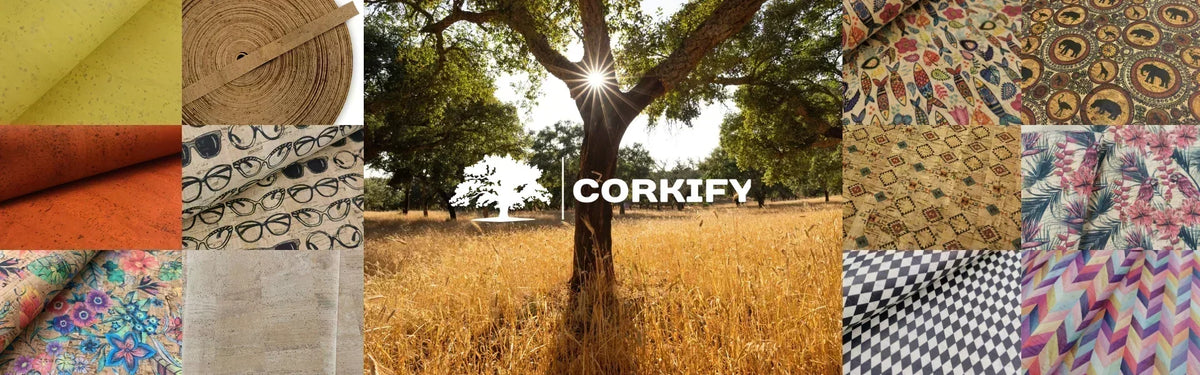
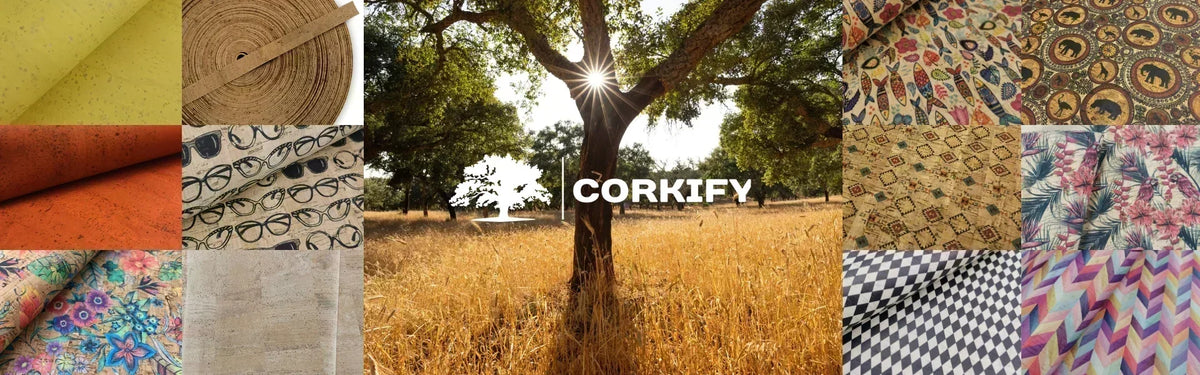
Portuguese cork fabric is available in a wide variety of colours, textures, finishes and printed designs.
It can be used for both creative projects and professional manufacturing.
Cork Fabric vs Leather: The Main Differences
Cork fabric and leather are different materials, and each has its own characteristics.
Weight
One of the advantages of cork fabric is its lightweight construction.
This can be particularly useful when making handbags, wallets and accessories where keeping the final product lightweight is important.
Flexibility
The textile backing gives cork fabric flexibility and makes it suitable for cutting and sewing.
Depending on the construction and thickness of the material, cork fabric can be used for different types of sewing and manufacturing projects.
Durability
Cork fabric is a durable material when properly selected and used for the appropriate application.
Its durability makes it suitable for handbags, wallets, accessories, upholstery and other products.
As with any material, the appropriate thickness, backing and finish should be selected according to the intended use.
Appearance
Leather develops a characteristic appearance over time, while cork has its own naturally distinctive texture and grain.
Cork fabric can also be produced in many different colours and designs, including printed patterns.
This gives designers a wide range of possibilities that are very different from conventional leather.
Is Cork Fabric a Vegan Alternative to Leather?
Yes. Cork fabric is a plant-based material and does not require animal hide.
For designers and consumers looking for alternatives to animal-derived leather, cork fabric can therefore be an interesting option.
It is important, however, to distinguish cork fabric from synthetic materials sometimes marketed as “vegan leather”. Not all vegan alternatives have the same composition or environmental characteristics.
Is Cork More Sustainable Than Leather?
Cork is a renewable natural material obtained from the bark of the cork oak.
The bark can be harvested without cutting down the tree and naturally regenerates over time.
Cork oak forests are also important ecosystems that support biodiversity and local communities.
However, sustainability depends on the complete supply chain, including harvesting, processing, backing materials, manufacturing, transportation and product lifespan.
For this reason, it is better to consider the characteristics and sourcing of each material rather than making a simple claim that one material is always more sustainable than another.
What Can Cork Fabric Be Used For?
Cork fabric can be used for many applications traditionally associated with leather, including:
- Handbags
- Wallets
- Purses
- Accessories
- Shoes and footwear
- Upholstery
- Craft projects
- Sewing projects
- Home décor
- Fashion accessories
Its flexibility and range of finishes make it particularly popular among designers, artisans and manufacturers.
Cork Fabric for Bags and Accessories
Cork fabric is especially well suited to bags and accessories.
The cork surface provides a distinctive appearance, while the textile backing makes the material flexible enough for sewing and manufacturing.
Different thicknesses, colours and patterns can be selected depending on the design and intended application.
Why Choose Portuguese Cork Fabric?
Portugal has a long tradition of cork production and processing.
Portuguese cork is known around the world and is used in a wide variety of products.
At Corkify, we offer Portuguese cork fabrics in:
This allows designers and manufacturers to choose a material that fits their specific project.
Cork Fabric vs Leather: Which Should You Choose?
There isn't one material that is ideal for every application.
Leather may be the preferred choice for certain traditional applications, while cork fabric offers an interesting alternative for designers and manufacturers looking for a lightweight, flexible, plant-based material with a distinctive appearance.
The best choice depends on the intended use, required characteristics, design and personal preferences.
Discover Cork Fabric from Corkify
Looking for an alternative to traditional leather for your next project?
Explore Corkify's collection of Portuguese cork fabric, available in solid colours, printed patterns and a wide variety of designs.
Whether you're making handbags, wallets, accessories or other products, cork fabric offers a distinctive material for creative and professional applications.
Explore our Cork Fabric collection and discover the possibilities of Portuguese cork.